

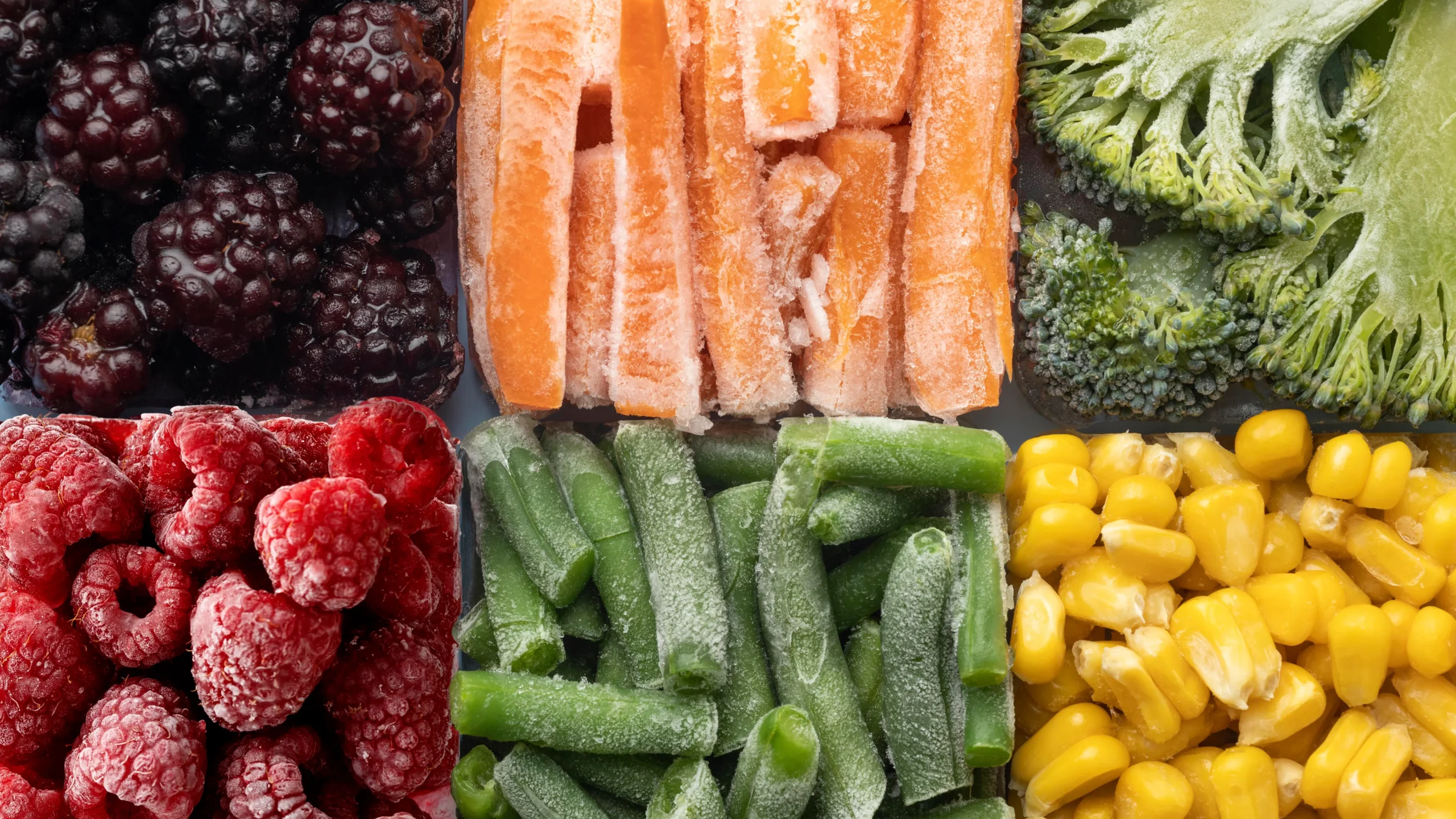
In today’s fast-paced lifestyle, consumers are looking for healthy, hygienic, and convenient food options. This is where frozen fruits have emerged as a smart and reliable choice. With advanced freezing technology, frozen fruits retain their natural taste, color, and nutritional value, making them an ideal alternative to fresh fruits.
What Are Frozen Fruits?
Frozen fruits are harvested at peak ripeness and immediately:
- Washed and cleaned
- Cut and graded
- Frozen using IQF (Individually Quick Frozen) technology
This rapid freezing process locks in freshness and prevents nutrient loss, ensuring high-quality fruits with extended shelf life.
Benefits of Frozen Fruits
- Year-round availability – No seasonal limitations
- Nutrient retention – Vitamins and minerals stay intact
- Long shelf life – Ideal for storage and bulk supply
- Zero wastage – Use only what you need
- Hygienic processing – Meets international food safety standards
Applications of Frozen Fruits
Frozen fruits are widely used across multiple industries, including:
- Smoothies and beverages
- Ice creams and desserts
- Bakery and confectionery products
- Yogurt and breakfast bowls
- Hotels, restaurants, and food service businesses
Export-Quality Frozen Fruits
Premium frozen fruits are processed and packed under strict quality controls. With a temperature-controlled cold chain and export-grade packaging, they comply with global food safety and quality standards, making them suitable for international markets.
Why Choose Frozen Fruits?
Unlike fresh fruits that spoil quickly, frozen fruits offer consistency, convenience, and reliability. They reduce handling costs, ensure uniform quality, and support sustainable food practices by minimizing waste.

Conclusion
Frozen fruits are not just about convenience—they represent a perfect balance of quality, nutrition, and efficiency. Whether for household consumption or large-scale food businesses, frozen fruits are a dependable and future-ready solution for the modern food industry.
