


Farmer training plays a crucial role in strengthening the agricultural sector and improving farmers’ livelihoods. With rapid changes in climate, technology, and market demand, traditional farming methods alone are no longer sufficient. Well-structured farmer training programs help farmers adopt modern techniques, increase productivity, reduce costs, and ensure sustainable farming practices.
Why Farmer Training Is Important
Agriculture today is not just about sowing and harvesting crops. Farmers need knowledge about soil health, water management, pest control, and market trends. Training programs bridge the gap between traditional knowledge and modern agricultural science.

Key benefits of farmer training include:
- Improved crop yield and quality
- Efficient use of water, fertilizers, and resources
- Better pest and disease management
- Increased income and reduced farming risks
Types of Farmer Training Programs
Farmer training can be delivered in various forms depending on regional needs and crop patterns:
1. On-Field Practical Training
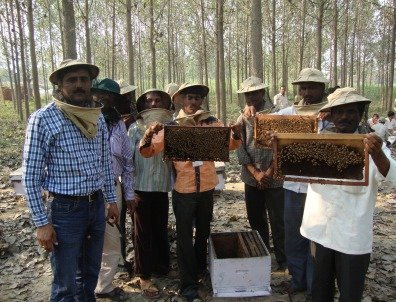
Hands-on training directly on farms helps farmers learn by doing. Demonstrations of sowing methods, irrigation systems, and harvesting techniques make learning more effective.
2. Organic and Sustainable Farming Training
These programs focus on reducing chemical usage and promoting eco-friendly farming practices such as composting, crop rotation, and natural pest control.
3. Technology-Based Training
Modern agriculture uses tools like soil testing kits, mobile apps, drip irrigation, and weather forecasting systems. Training farmers to use these technologies improves decision-making and productivity.
4. Post-Harvest and Storage Training
Losses after harvesting can be significant. Training in proper storage, packaging, and transportation helps farmers maintain crop quality and reduce wastage.
Role of Farmer Training in Rural Development
Farmer training not only improves agricultural output but also strengthens rural economies. Skilled farmers are more confident, financially stable, and better equipped to face climate challenges. Trained farmers often share knowledge within their communities, creating a positive ripple effect.
Governments, NGOs, and agri-based companies play an important role in organizing training programs and ensuring farmers have access to the latest agricultural innovations.
Conclusion
Farmer training is an investment in the future of agriculture. By equipping farmers with the right skills and knowledge, we can ensure sustainable food production, higher incomes, and stronger rural communities. Continuous learning and support are the keys to empowering farmers and building a resilient agricultural ecosystem.
