

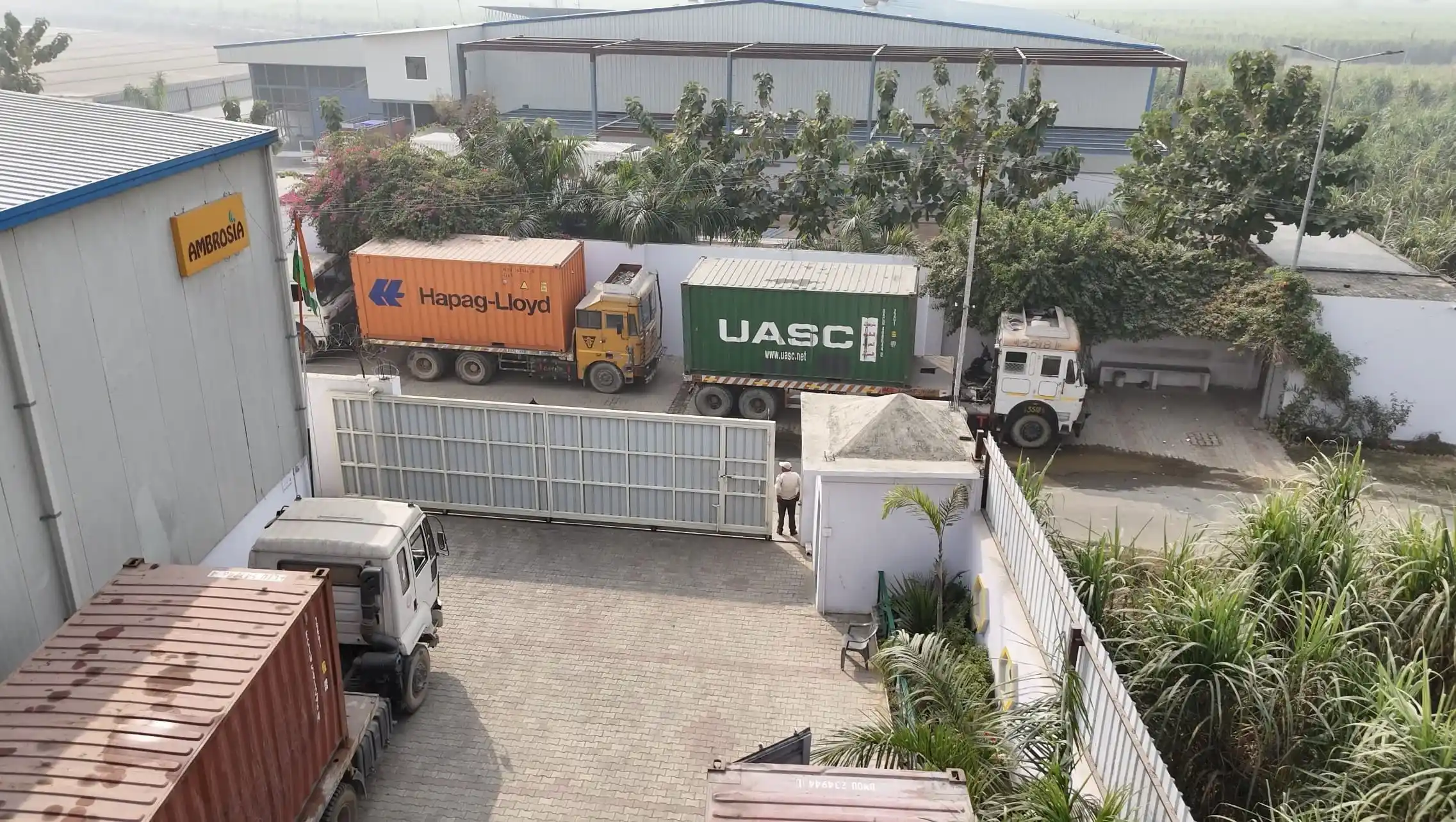
Bulk labeling plays a vital role in modern packaging and supply chain management. For industries handling large quantities of products—such as food processing, agriculture, pharmaceuticals, and logistics—bulk labeling ensures accuracy, consistency, and efficiency. Proper labeling not only improves product identification but also helps meet regulatory and export requirements.
What Is Bulk Labeling?
Bulk labeling refers to the process of labeling products, cartons, bags, or containers in large volumes. Instead of labeling items individually in small batches, bulk labeling systems are designed to handle high-speed, large-scale operations with minimal errors.
These labels may include:
- Product name and description
- Batch or lot numbers
- Manufacturing and expiry dates
- Barcodes or QR codes
- Storage and handling instructions
Importance of Bulk Labeling in Packaging
Accurate bulk labeling helps businesses maintain product traceability and compliance. In industries like food and frozen products, correct labeling is critical for safety, quality control, and customer trust.
Key benefits of bulk labeling include:
- Faster packaging and dispatch processes
- Reduced manual labor and operational costs
- Improved accuracy and consistency
- Easy tracking and inventory management
- Compliance with local and international regulations
Bulk Labeling for Food and Agricultural Products
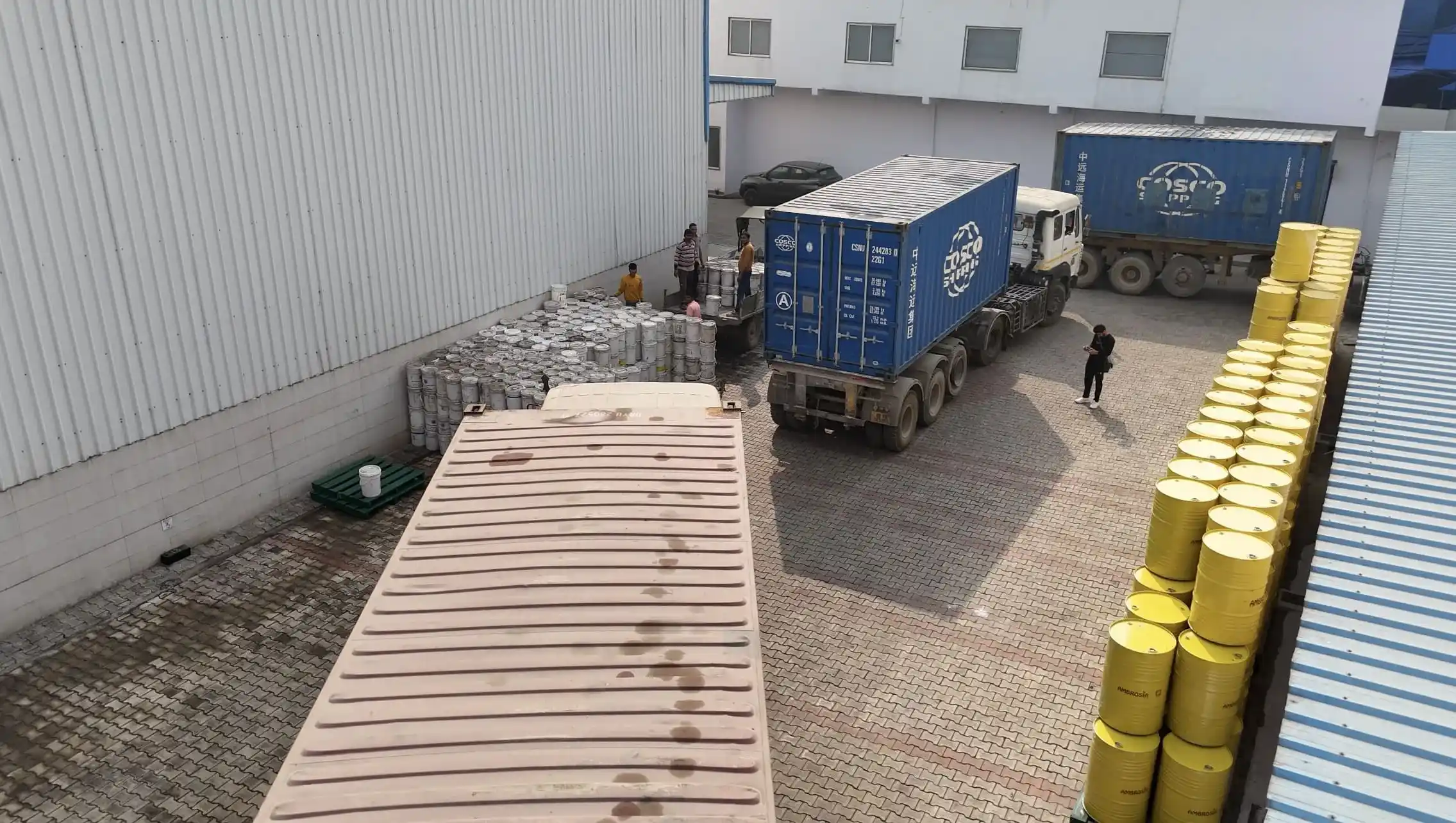
In food and agriculture sectors, bulk labeling is essential for products packed in large bags, boxes, or cartons. Labels provide crucial information such as origin, net weight, storage conditions, and shelf life.
For frozen and perishable goods, bulk labels help:
- Maintain cold chain transparency
- Ensure proper handling during transportation
- Meet export and food safety standards
Automated vs Manual Bulk Labeling
Automated Bulk Labeling Systems
These systems use machines to apply labels quickly and accurately. They are ideal for large-scale production units with high output requirements.
Manual Bulk Labeling
Suitable for small or medium businesses, manual labeling offers flexibility but may require more time and labor.
Choosing the right method depends on production volume, budget, and business needs.
Compliance and Quality Control
Bulk labeling must follow industry regulations and quality standards. Proper label placement, clear printing, and durable materials are necessary to avoid damage during storage and transit. Regular quality checks ensure that labels remain readable and accurate throughout the supply chain.
Conclusion
Bulk labeling is more than just a packaging step—it is a critical component of efficient logistics and brand reliability. By investing in the right bulk labeling solutions, businesses can streamline operations, reduce errors, and ensure their products reach customers with complete and accurate information.
